Zona Maco’s main art fair has four sections: the Main Section, Ejes, Sur and Arte Moderno. The Main Section is the broad mix of contemporary galleries, Ejes gives each booth to one to three artists, Sur looks at the global South, and Arte Moderno is 20th-century work. Design, antiques, photography and books run alongside, and the fair is on 3 to 7 February 2027.
Key takeaways
- Zona Maco’s home page says its contemporary art fair, ZⓈONAMACO México Arte Contemporáneo, has four sections: Main Section, Ejes, Sur and Arte Moderno.
- Direlia Lazo (Cuba) is artistic director of the main fair; Manuela Moscoso (Ecuador) curates Sur, Aimé Iglesias Lukin (Argentina) curates Ejes and Esteban King (Mexico) curates Arte Moderno.
- Ejes booths show one to three artists each, from galleries, hybrid and independent spaces.
- Arte Moderno is about historical works from 20th-century modern art movements.
- Diseño (since 2011), Salón del Anticuario (since 2014, objects made before 1960), Foto (since 2015) and Libros run as separate fairs on the same platform.
- The next edition is 3 to 7 February 2027, with 9 to 13 February 2028 and 7 to 11 February 2029 listed after it.
Verified 28 November 2026 against the Zona Maco website (home, section and tickets pages) and Art of NOMA’s works shop.
In this guide: What are Zona Maco’s four art sections? · What will you see in the Main Section? · What makes Ejes and Sur different? · Is Arte Moderno worth your time? · What runs next to the art sections? · How do you plan a visit around them?

What are Zona Maco’s four art sections?
Think of Zona Maco as a small city with neighbourhoods. The fair’s own words: the leading art fair in Latin America, presenting four distinctive sections. Here they are in one place, with what the organiser writes about each.
| Section | Who curates it | What the fair says it is |
|---|---|---|
| Main Section (Sección General) | Direlia Lazo, artistic director | Contemporary art from internationally recognised galleries: painting, sculpture, installation, video and new technologies |
| Ejes | Aimé Iglesias Lukin | Booths with one to three artists who imagine new worlds, from galleries, hybrid and independent spaces |
| Sur | Manuela Moscoso | Art from the global South, with ambitious, site-specific projects |
| Arte Moderno | Esteban King | Historical works from 20th-century modern art movements |
One small thing that trips people up: the section pages call the first one “Sección General”, while the home page and menu say “Main Section”. Same place. Our Zona Maco 2027 guide covers dates and how to buy, and this page is the map of the sections.
What will you see in the Main Section?
The widest slice. If a friend says “I went to Zona Maco” and can’t tell you more, they probably spent the day here. The organiser describes it as a space for contemporary art with internationally recognised galleries, covering painting, sculpture, installation, video and new technologies, and a conversation between global trends and Latin American perspectives.
The 2027 selection committee has five members, named on the fair’s page, and they come from galleries in Mexico City, New York and Los Angeles, Berlin and Stockholm, and São Paulo. That’s the group that decides which galleries get in. We haven’t seen the 2027 line-up, so we can’t tell you who is bringing what.
A tip that works at any big fair: pick three booths before you arrive, then wander. If you’re new to this, our guide on how to buy art at an art fair shows what to ask at a booth, and you never have to buy anything to ask.
What makes Ejes and Sur different?
Both have their own curator. Ejes is the one for people who like a clear idea. Its curator, Aimé Iglesias Lukin, asks galleries and independent spaces for booths with one to three artists “who imagine new worlds”: new ways of relating, places of utopia, ways of gathering. In plain terms, you’ll see fewer artists per booth and more depth for each.
Sur turns toward the global South. The fair says it focuses on artistic production there, with practices that question Eurocentric views, and that galleries present ambitious, site-specific projects. Curator Manuela Moscoso is from Ecuador. If you like to see art from outside the usual Europe and North America loop, give it a slow walk.

Is Arte Moderno worth your time?
Yes, if you like to see where things came from. Arte Moderno is the only one of the four that looks back: historical works from 20th-century movements, with international and Latin American artists, and a focus on people who shaped the way art changed over the past hundred years. Its curator is Esteban King, from Mexico.
It’s also a useful reset for your eye. After an hour of new work, a room of modern pieces makes the contemporary booths easier to read. The fair prints no prices for any section, so ask each gallery directly.
What runs next to the art sections?
Zona Maco is a platform, not one fair. The organiser says it was founded in 2002 by Zélika García and is made up of simultaneous fairs.
Diseño started in 2011 and covers furniture, jewellery, textiles and decorative objects, with an emerging-designer space, Diseño Emergente. Salón del Anticuario started in 2014 and shows historical objects and decorative art made before 1960, including sacred art. Foto started in 2015, with curator Luis Graham Castillo from the Dominican Republic, and brings together emerging and established photographers. Libros is the publishing corner: art, design, architecture and photography books, catalogues and artist books.
The site’s galleries page is labelled “Participants 2027” in its menu, but it also shows a section called Forma that isn’t in the section menu, so check it yourself before you plan around any one gallery. For a bigger picture of the week, see our Mexico City Art Week 2027 guide and the art fair calendar.
How do you plan a visit around them?
Start with the dates: Wednesday 3 to Sunday 7 February 2027, with the location block on the fair’s tickets page listing Centro Banamex, Avenida del Conscripto 311, Lomas de Sotelo. The hours block on that page reads Wednesday 17:00 to 20:00, Thursday and Friday 13:00 to 20:00, Saturday 12:00 to 20:00 and Sunday 11:00 to 18:00. Careful: that block is headed “3 to 7 February | 2026” even though the weekdays match 2027, so confirm the hours with the organiser before you book.
The tickets page lists a general ticket at MX$540 online or MX$620 on site, a four-day public pass at MX$1,800 or MX$2,100, and an opening-day ticket at MX$640 or MX$840, plus a 15% service charge at checkout. Many online tickets were marked “coming soon” when we read it. Our comparison of Zona Maco, Material and Salón ACME shows how it fits with the other fairs that week.
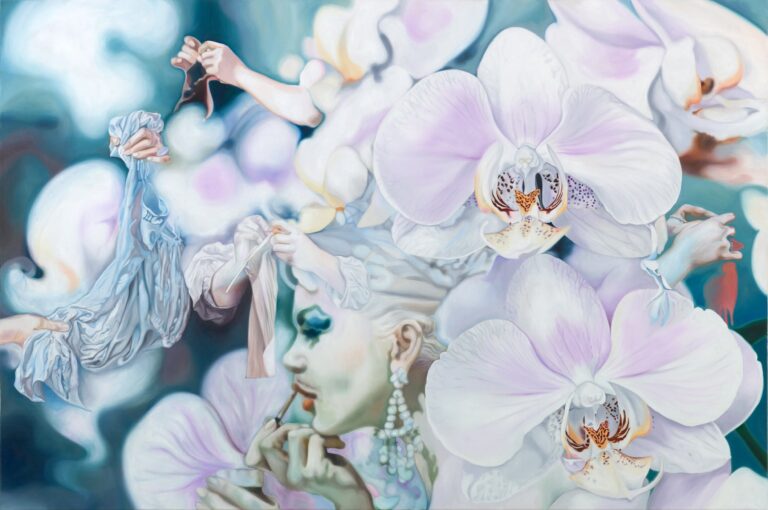
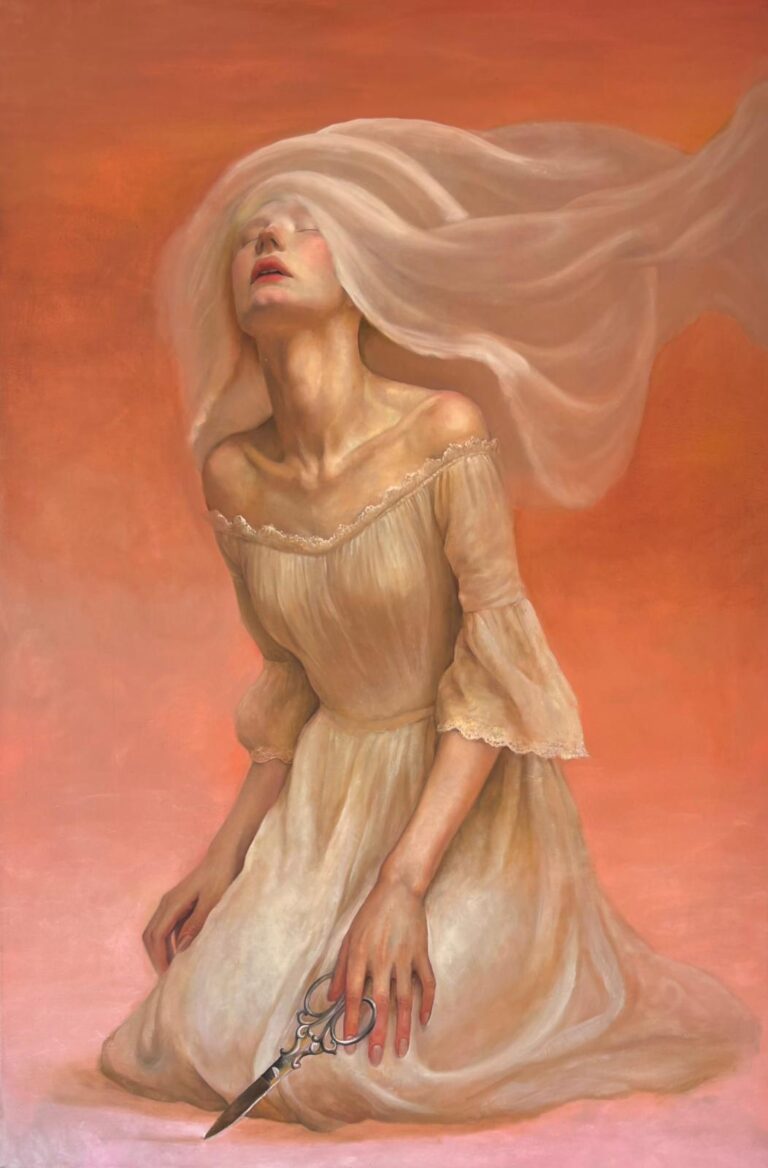
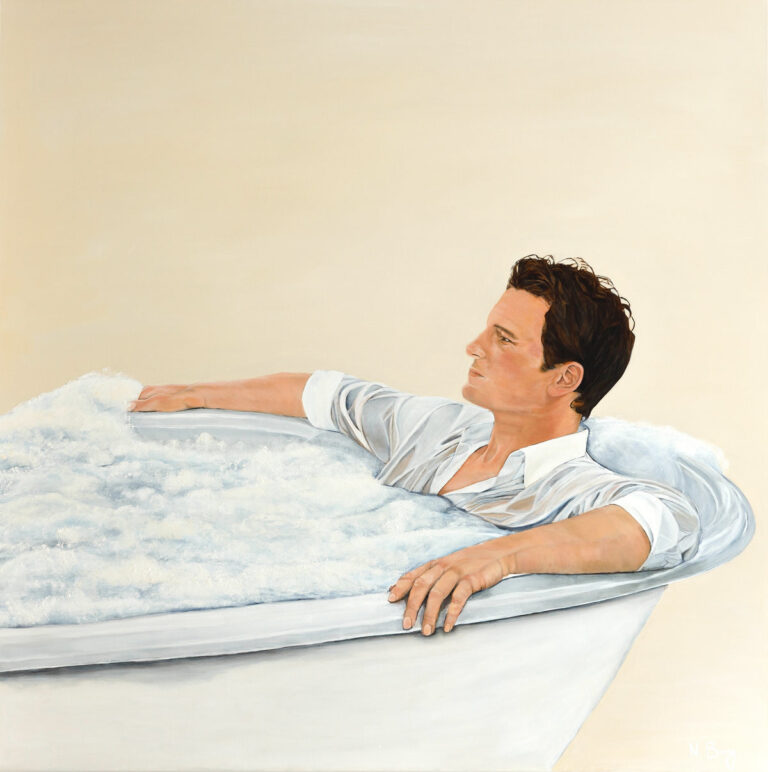
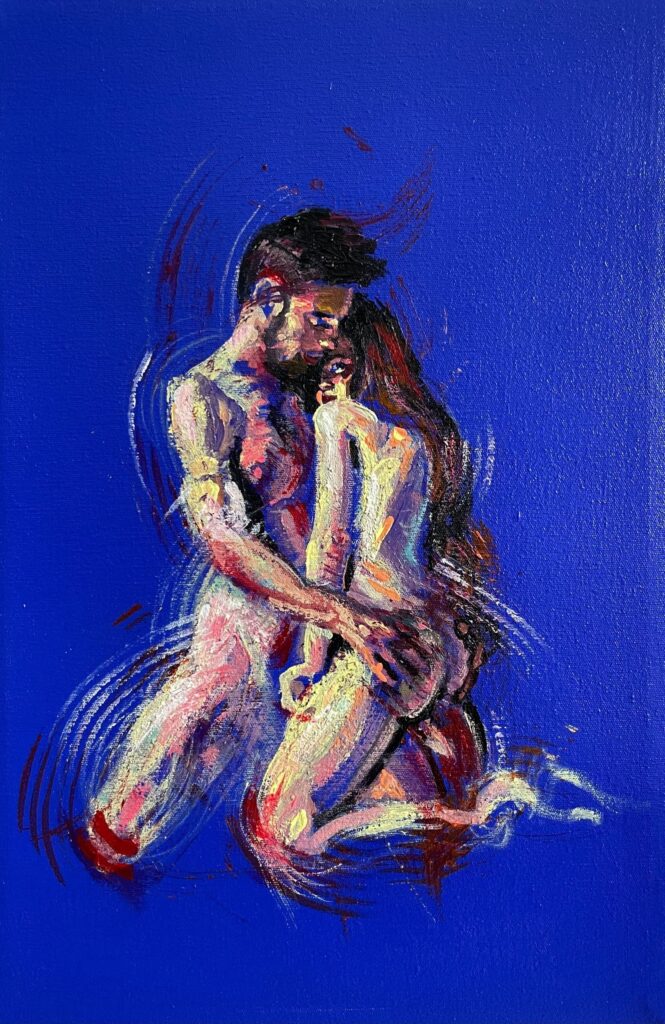
If you want to buy something, a simple order works: Main Section first when your legs are fresh, Ejes or Sur second, Arte Moderno to finish. Check our 12-week buying timeline for when to pay so a shipped work arrives on time. And if you’d like a price to compare against, browse our works: the prints from Taeko Nomiya start at MX$ 5,877 in our shop today, and Sinergy VII by Karlos Ibarra, an acrylic on canvas, is MX$ 10,810.
Frequently Asked Questions
What are the sections of Zona Maco?
The contemporary art fair has four sections: Main Section, Ejes, Sur and Arte Moderno. Zona Maco also runs Diseño, Salón del Anticuario, Foto and Libros alongside it.
What is the difference between Ejes and Sur at Zona Maco?
Ejes gives booths to one to three artists who imagine new ways of living and relating. Sur focuses on art from the global South, with site-specific projects. Each has its own curator.
When is Zona Maco 2027?
Zona Maco’s website gives the next edition as 3 to 7 February 2027, followed by 9 to 13 February 2028 and 7 to 11 February 2029.
How much does a ticket to Zona Maco cost?
The tickets page lists MX$540 online or MX$620 on site for a general ticket, and MX$1,800 online or MX$2,100 on site for the four-day public pass, plus a 15% service charge. Many online tickets were marked coming soon, so confirm before you book.